Silence in Conversation: What We Don’t Say
We spend most of our communication advice obsessing over words — what to say, how to say it, which tone to use. But some of the most important information in any conversation never gets spoken at all. It sits in the pause before a reply. In the message left on “read.” In the sentence someone starts and then doesn’t finish.
Silence is not the absence of communication. It’s a channel of its own.
Silence Is a Signal, Not a Gap
In linguistics, the space between words is called a “turn gap,” and its length carries meaning long before either person says anything else. A half-second pause reads as normal. A three-second pause reads as hesitation, discomfort, or disagreement — even if nothing was said to justify that read. Our brains fill silence with interpretation almost automatically, the same way we instinctively read a room that isn’t physically a room when a conversation moves to text or chat.
This is why silence can feel louder than speech. A pause after you share good news lands differently than a pause after you ask a hard question. The words are identical — silent — but the context changes everything.
The Different Kinds of Silence
Not all silence means the same thing. Broadly, conversational silence falls into a few categories:
- Processing silence — the listener is genuinely thinking, not avoiding.
- Discomfort silence — something landed wrong, and nobody wants to name it yet.
- Protective silence — a deliberate choice to withhold rather than escalate, often the more mature alternative to blurting out a reaction. This overlaps closely with the craft of saying no in conversation, where restraint is the actual message.
- Respectful silence — giving someone room to speak, think, or grieve without filling the space.
- Punishing silence — withdrawal used as leverage, commonly known as the “silent treatment.”
The same three seconds of quiet can be any of these, and misreading which one you’re in is where most miscommunication starts.

Why We Leave Things Unsaid
People go quiet for reasons that rarely show up in the transcript:
- Social risk. Saying the true thing might damage the relationship, so the safer move is to say nothing.
- Uncertainty. We don’t always know how we feel until well after the moment has passed.
- Timing. Some things aren’t said because the moment doesn’t feel right — not because they aren’t true.
- Protection of the other person. Silence can be an act of kindness, not avoidance.
- Exhaustion. Sometimes there’s simply nothing left to explain, and saying so would take more energy than staying quiet.
None of these are failures of communication etiquette. In fact, knowing when not to speak is arguably as important as knowing how to speak — a principle woven throughout good communication etiquette generally.
Digital Silence: A New Kind of Quiet
Technology didn’t invent silence, but it did invent new ways to make it visible — and anxiety-inducing. A read receipt without a reply. A typing indicator that stops. A message that gets a thumbs-up instead of a sentence.
Digital silence is uniquely loud because it’s timestamped. In face-to-face conversation, a pause disappears the moment it ends. Online, it’s logged: “Read 2:47 PM.” That visible gap between seen and answered has become one of the most common sources of modern social anxiety — not because the silence itself changed, but because we can now measure it.
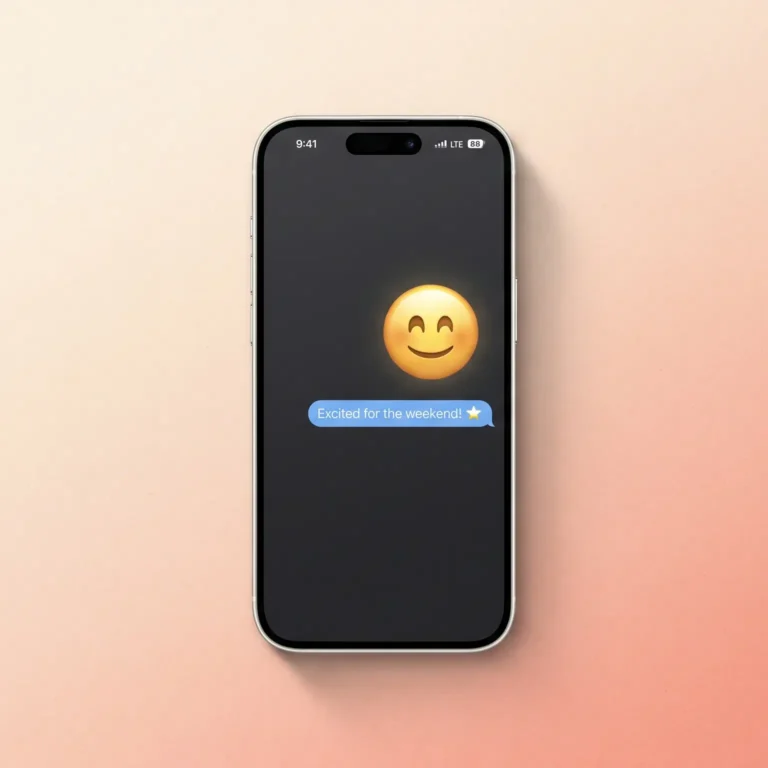
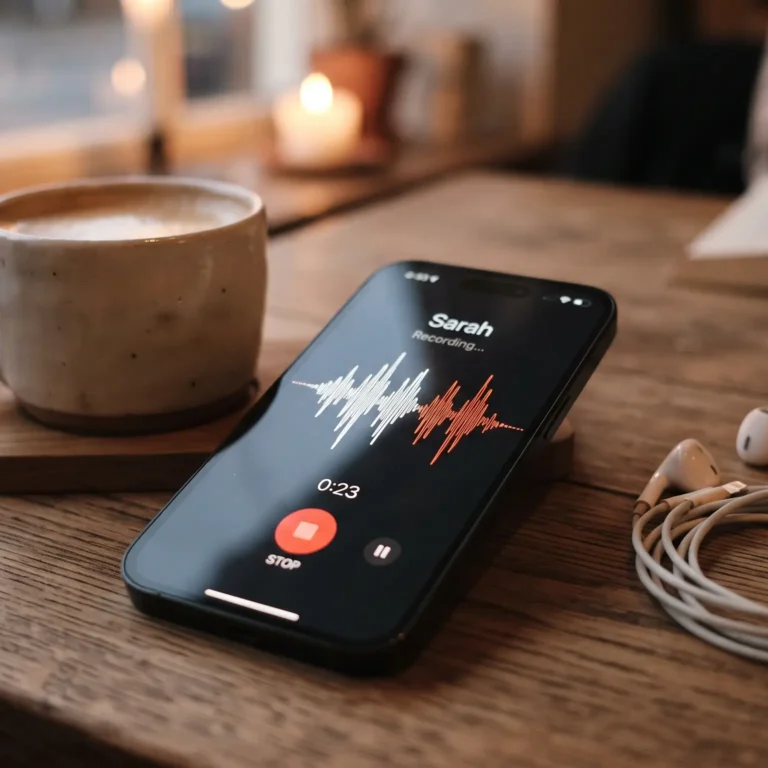
This is also why tone-carrying tools like emojis as tone of voice have become so essential online — they’re an attempt to soften or clarify a silence that would otherwise be read as cold. And it’s part of why a voice note can feel more intimate than a text: tone, breath, and hesitation are audible, so the silence inside the message is harder to misread than silence in typed text.
Silence in the Workplace
Professional silence has its own grammar. A pause after a manager asks “any questions?” usually means confusion, not agreement. Silence in a meeting after someone shares an idea can mean it landed badly — or that people are still processing it. Teams that don’t build psychological safety tend to default to silence instead of disagreement, which is a major reason good onboarding focuses as much on permission to speak up as it does on process documentation.
Even in technical work, silence plays a role. Good engineers know that the quiet, unglamorous work of tracing a problem back to its source is less about typing and more about listening for what the system isn’t telling you — which is part of why debugging is detective work disguised as engineering. The bug is often in what wasn’t logged, not in what was.
The same logic applies to talking with AI systems: much of effective prompt engineering is realizing that a vague or empty response from a model is itself information — a signal the instruction was unclear, not that the system has nothing to say.
How to Read Silence Without Overreacting
A few practical habits help you interpret silence more accurately instead of assuming the worst:
- Check the baseline. Is this person naturally quiet, or is this silence unusual for them?
- Look at timing, not just duration. A pause right after a sensitive topic means more than a pause during a lull.
- Resist filling it instantly. The urge to talk over silence to “fix” it often says more about your own discomfort than theirs.
- Ask, don’t assume. “You went quiet — what’s going on?” resolves more ambiguity than any amount of guessing.
- Remember silence is reversible. Unlike a sent message, silence can still become any outcome. That’s part of why it feels so tense — and also why it’s rarely final.
Silence even plays a role in starting conversations, not just ending them. The brief, slightly awkward quiet before two strangers speak is exactly the gap that small talk exists to break.
Frequently Asked Questions
Is silence a form of communication?
Yes. Silence conveys hesitation, disagreement, discomfort, respect, or protection, depending on context. It’s interpreted constantly, even when no words are exchanged.
Why does silence feel uncomfortable?
Humans are wired to fill conversational gaps because unresolved silence signals uncertainty — we don’t know what the other person is thinking, so the brain treats the ambiguity as a mild threat.
What does it mean when someone goes silent after a text?
It can mean they’re busy, processing, unsure how to respond, or avoiding the topic. Read receipts make this gap visible, but the silence itself can mean several different things — context matters more than duration.
Is the silent treatment the same as needing space?
No. Needing space is usually communicated (“I need a minute”), while the silent treatment withholds communication specifically to punish or control. The intent, not the quiet itself, is what separates the two.
How do you respond to silence in a conversation?
Avoid rushing to fill it. Give the other person room, then ask directly what the silence means rather than guessing. A simple, non-accusatory check-in usually resolves more than waiting it out.
The Quiet Part Is Still the Point
Every conversation has two layers: what’s said, and what’s left out. The second layer isn’t a failure of the first — it’s where a lot of the real meaning lives. Learning to notice silence, rather than rushing to fill it, is one of the more underrated communication skills there is. For more on how we shape meaning without always using words, explore the full set of conversation and communication insights on PicassoArt.