Skip to content
Picasso Art
  • Vibe CodingExpand
    • What is Vibe Coding
    • Clean Code Importance
Picasso Art
  • Illustration of a note card with six connected dots leading to a handshake icon, representing a headline as a short promise that earns trust
    Blogging

    A Promise in Six Words

    ByTheArtist October 21, 2026October 11, 2026

    A Promise in Six Words Six words. That’s roughly all you get before a reader decides whether the rest of your sentence exists for them. A headline isn’t a label stuck on top of an article — it’s a contract. And like any contract, it’s judged not by how clever it sounds, but by whether…

    Read More A Promise in Six WordsContinue

  • Illustration of one glowing sentence of text opening like a lit doorway into a dim paragraph below, representing how a first sentence earns the second
    Blogging

    Blogging First Sentence: Earning the Second One

    ByTheArtist October 20, 2026October 11, 2026

    Blogging First Sentence: Earning the Second One A reader doesn’t commit to your article. They commit to your next sentence — over and over, one at a time, until they either finish the piece or close the tab. Nowhere is this truer than at the very start. The first sentence doesn’t need to say everything….

    Read More Blogging First Sentence: Earning the Second OneContinue

  • Illustration of two empty chairs facing each other across a table with a faded number in the background, representing how context is read before numbers in a negotiation
    Vibe Coding

    Negotiation: Reading the Room Before the Numbers

    ByTheArtist October 19, 2026October 11, 2026

    Negotiation: Reading the Room Before the Numbers The biggest mistake in negotiation happens before anyone says a number. It happens in the first thirty seconds — in the handshake, the pause, the tone of the opening sentence — when one side is already reading the room and the other is already reaching for a spreadsheet….

    Read More Negotiation: Reading the Room Before the NumbersContinue

  • Illustration of one glowing envelope standing out among many faded grey envelopes, representing a subject line earning attention in a crowded inbox
    Vibe Coding

    The Email Subject Line: Writing a Headline No One Asked For

    ByTheArtist October 18, 2026October 11, 2026

    The Email Subject Line: Writing a Headline No One Asked For Nobody wakes up wanting to read your email. That’s the uncomfortable starting point of every subject line you’ll ever write. Unlike a news headline, which readers seek out, or a pitch deck, which an investor has already agreed to sit through, a subject line…

    Read More The Email Subject Line: Writing a Headline No One Asked ForContinue

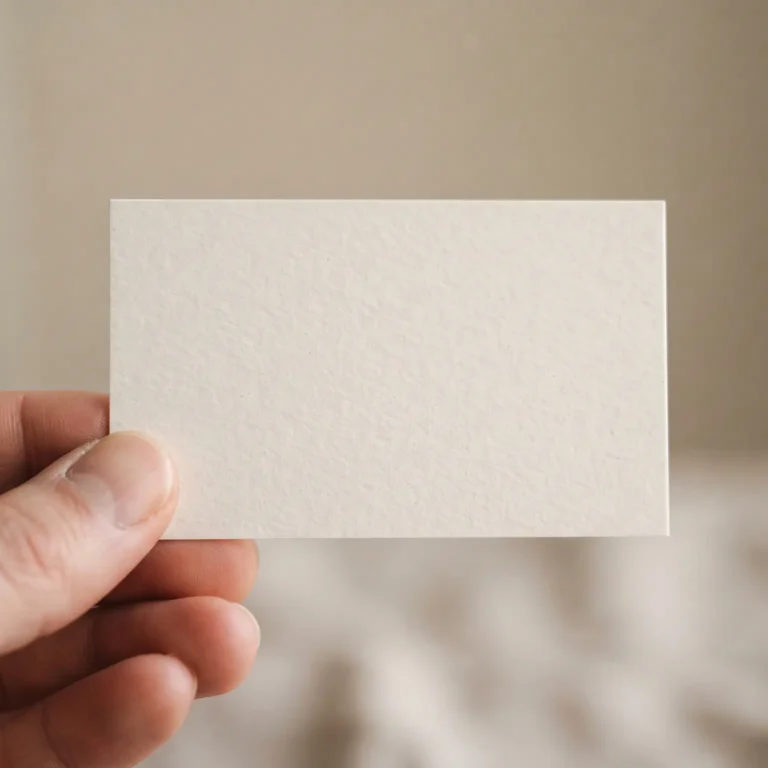
  • Close-up illustration of a minimalist business card held between two fingers, representing how a small design object communicates an entire brand
    Vibe Coding

    Business Card: A Whole Brand in Your Palm

    ByTheArtist October 17, 2026October 11, 2026

    Business Card: A Whole Brand in Your Palm A business card is roughly 3.5 by 2 inches. It carries no tagline, no homepage, no case studies, no testimonials. And yet, in the three seconds it takes someone to glance down and look back up, it has already told them whether you’re careful or careless, expensive…

    Read More Business Card: A Whole Brand in Your PalmContinue

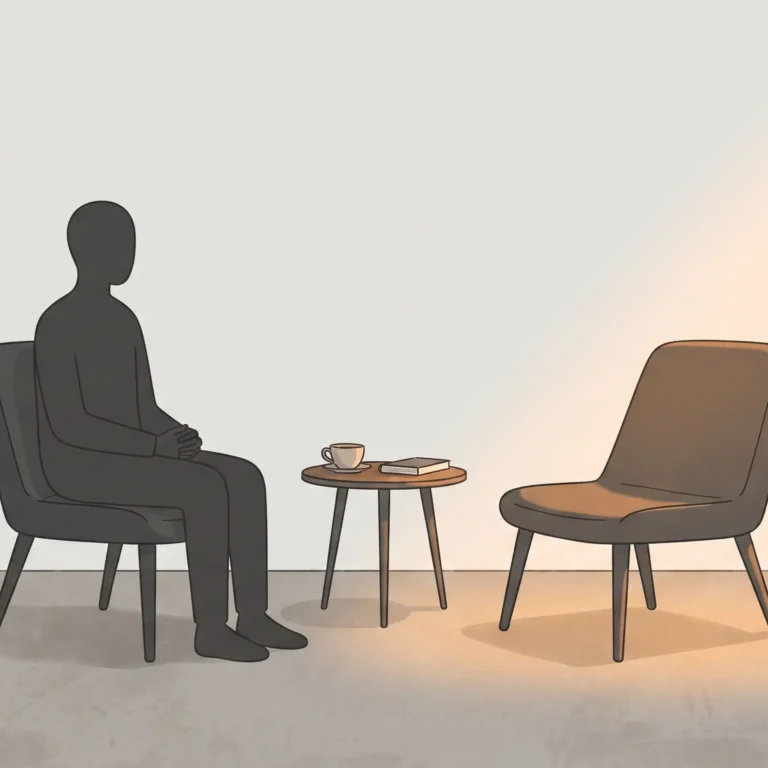
  • Illustration of two chairs facing each other in a quiet room, representing a respectful and direct termination conversation
    Business

    Firing Someone Well: Dignity as a Design Constraint

    ByTheArtist October 16, 2026October 7, 2026

    Firing Someone Well: Dignity as a Design Constraint Most guides on firing someone focus on legal compliance and paperwork. Almost none focus on the thirty seconds that actually matter — the words right before and right after “we’re letting you go.” That’s the part nobody designs for, and it’s the part the person being fired…

    Read More Firing Someone Well: Dignity as a Design ConstraintContinue

  • Illustration of a handshake built from architectural beams, symbolizing trust as the structural foundation of an unwritten agreement
    Business

    Handshake Deal: Trust as Architecture

    ByTheArtist October 15, 2026October 7, 2026

    Handshake Deal: Trust as Architecture A handshake deal looks like the opposite of structure. No contract, no clauses, no fine print — just two people agreeing to something and meaning it. But that’s a misreading. A handshake deal isn’t an absence of architecture. It’s trust built as architecture, load-bearing in its own way, just invisible…

    Read More Handshake Deal: Trust as ArchitectureContinue

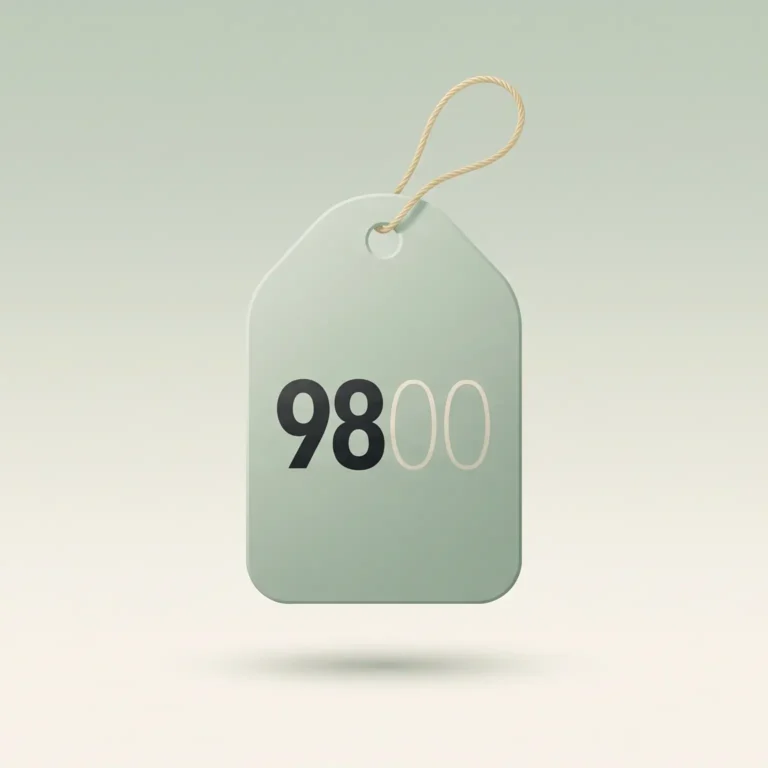
  • Illustration of a single price tag with digits rendered in contrasting weights, representing how the same price can feel cheap or expensive depending on psychological framing
    Business

    Pricing: The Psychology Hidden in a Number

    ByTheArtist October 14, 2026October 7, 2026

    Pricing: The Psychology Hidden in a Number A number has no tone of voice. It can’t smile, pause, or soften itself. And yet “$49” and “$50” — a single dollar apart — can produce completely different decisions in a buyer’s mind. That gap isn’t math. It’s communication happening through a medium most people don’t think…

    Read More Pricing: The Psychology Hidden in a NumberContinue

  • Illustration of ten glass slides arranged like ascending steps, representing the persuasive structure of a ten-slide pitch deck
    Business

    Pitch Deck: Persuasion in Ten Slides

    ByTheArtist October 13, 2026October 7, 2026

    Pitch Deck: Persuasion in Ten Slides A pitch deck is not a document. It’s a conversation compressed into slides — and like any conversation, it lives or dies by sequence. The same ten facts, reordered, can produce a term sheet or a polite “we’ll pass.” This is why the best pitch decks aren’t the most…

    Read More Pitch Deck: Persuasion in Ten SlidesContinue

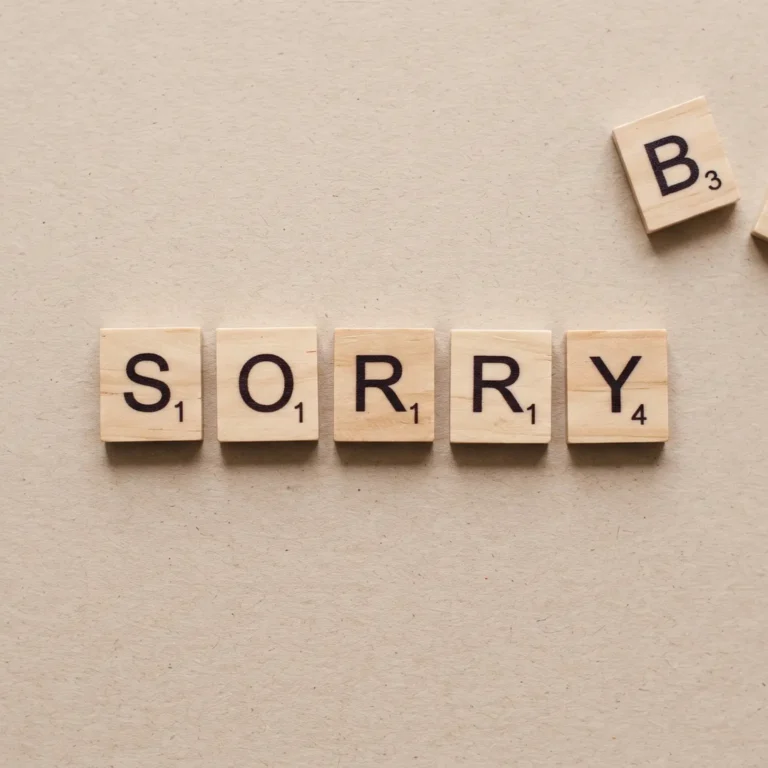
  • Illustration of letter tiles spelling "sorry" in correct order, with "but" tiles set aside, representing how word order shapes a sincere apology
    The Art of Communication

    Apology: Getting the Order of Words Right

    ByTheArtist October 12, 2026October 7, 2026

    Apology: Getting the Order of Words Right Most people think an apology fails because of sincerity. It rarely does. It fails because of sequence. Say “I’m sorry, but you also…” and the apology is already dead — not because the feeling behind it was fake, but because the words arrived in the wrong order. The…

    Read More Apology: Getting the Order of Words RightContinue

Page navigation

Previous PagePrevious 1 2 3 4 Next PageNext
  • Vibe Coding
    • What is Vibe Coding
    • Clean Code Importance